

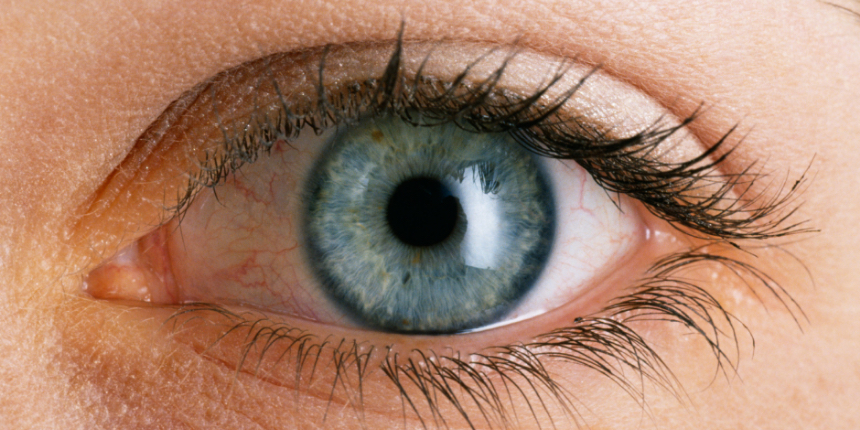
Having had COVID-19 may have accounted for changes in the quality of our sight and deterioration in sight that has been problem-free until then. What sort of difficulties may arise, what to watch out for and when to see a doctor?
It is no secret that many illnesses may affect the functioning of our organs and the processes in our bodies long after we have been cured. This applies to eyesight too. The effects of diabetes on our eyes and the quality of our eyesight or issues with the thyroid gland or high blood-pressure are well known.
Currently, deterioration in eyesight is frequently linked to the global COVID-19 pandemic. The Corona virus may cause changes to our eyesight and be accountable for the deterioration of its quality.
Let us guide you through the essentials of what to watch out for, how to proceed and when to seek out medical assistance of an ophthalmologist. The most common post-COVID-19 effect mentioned by patients are recurring conjunctivitis, eye ache, redness, irritation, fatigue, photophobia as well as the dry eye syndrome whereby the eyes burn and feel as if a foreign body was present in the eye. Specialists have also encountered issues with the retina where oedemas and macular degeneration worsened.
Up to a third of all the patients having had COVID-19 mention complications during common activities such as reading, driving a vehicle or watching television. Changes for the worse are often brought to light also by patients who have previously boasted perfect vision. Frequently, there are also changes in the quality of the tear film. While this does not affect vision as such, a specialised examination is in order as well as prescription of artificial tears or eye drops.
Due to the fact that the virus may enter the body also via the ocular mucosa and there are known cases when the virus has settled in the eye area, it may cause problems not only with the conjunctiva and the cornea but also damage the retina. Such damage may be irreversible.
Eye deterioration may not always be caused by having contracted a disease that exhausts the organism. The problems may often be linked to our altered lifestyle which has been marked considerably by the pandemic and the restrictions that came along with it. It accounted for a huge increase in stress levels, manyfold increase in screen time (screens, monitors, displays, on-line schooling, on-line conferences, home-office and hours spent watching movies or series). This leads to endless hours spent in blue light and unawareness of passing time.
Fatigue of the eyes increases and with it also the unpleasant burning sensation and headaches. In such cases, the solution is rather simple – incorporating frequent breaks in our daily routine, eye drops, setting the monitor correctly and wearing prescribed glasses. Check the brightness settings on your screens, don`t forget to blink and take breaks.
Hand in hand with treating the post-COVID-19 effects is, naturally, rest, the elimination of stress (as much as possible) and plenty of vitamin C, E and A, that help regeneration. If you are experiencing unpleasant sensations linked to your vision, use the recommended eye drops, gels and ointments. Making an appointment to see your ophthalmologist is a must. This, however, should take place preventively while discovering possible complications at their onset. Do not leave such a visit until acute problems have already set in.
Are you experiencing changes to your eyesight while reading or working? Are your eyes unnaturally sensitive? If so, make an appointment for a preventive check-up.